by Jana Johnson | Feb 3, 2026 | Marketing, Sales
The travel industry continues to evolve, shaped by shifting lifestyles, new technologies, and changing guest expectations.
For hotel general managers and sales teams, staying competitive means understanding these changes and adjusting strategies to meet travelers where they are, both literally and emotionally. Today’s travelers are driven by flexibility, personalization, and purpose, and hotels that align their sales approaches with these values will be best positioned for growth.
Recognize the New Traveler Mindset
Modern travelers no longer fit neatly into the categories of “business” or “leisure.” The rise of blended travel—where guests combine work, leisure, and extended stays—demands new approaches to sales and marketing. Guests are seeking spaces that allow them to live, work, and unwind seamlessly. For sales teams, this means showcasing features that appeal to both productivity and comfort: reliable Wi-Fi, spacious rooms, wellness amenities, and local experiences that make long stays more meaningful.
Understanding this mindset shift enables your team to move beyond selling “a room” to selling a lifestyle experience. Tailoring your message to show how your property enhances both productivity and relaxation can make your offer stand out.
Personalization as a Sales Advantage
In a crowded hospitality market, personalization is key. Sales professionals should use guest data and CRM tools to craft proposals that reflect past preferences and anticipate future needs. For example, if a guest previously booked a family suite with local excursions, highlight upcoming family-friendly packages or new amenities in your next outreach.
For group or corporate clients, personalization might involve offering custom meeting packages, flexible booking options, or sustainability-focused programs aligned with company values. Tailoring your pitch to the client’s goals demonstrates attentiveness and fosters long-term relationships.
Embrace Flexibility in Booking and Pricing
Flexibility has become one of the most influential factors in travel decision-making. Uncertain travel conditions, changing work schedules, and evolving priorities have made rigid policies less appealing. Sales strategies should emphasize flexible cancellation terms, loyalty rewards, and creative pricing models that accommodate longer stays or hybrid-use bookings.
Offering transparent, adaptable options can convert hesitation into commitment. Guests and planners want to know that your property understands their need for assurance without penalties.
Leverage Technology for Smarter Selling
Technology has transformed how travelers research and book stays, and how hotels sell. Virtual tours, AI-powered chat tools, and personalized email campaigns help sales teams connect with potential guests earlier in their decision-making journey. Integrating automation tools also allows teams to track leads more efficiently and spend more time nurturing high-value relationships.
Focus on Purpose and Sustainability
Travelers increasingly prioritize brands that align with their values. Incorporating your property’s sustainability initiatives, such as energy-efficient operations, local partnerships, or eco-friendly amenities, into sales pitches can strengthen its appeal. Demonstrating authenticity and measurable impact builds trust with both leisure and corporate clients.
In conclusion, adapting sales strategies for changing traveler preferences is about listening, anticipating, and responding with agility. The most successful hotels will be those that evolve beyond traditional sales tactics to create connections grounded in relevance, empathy, and value. By embracing flexibility, personalization, and purpose, sales teams can turn today’s traveler shifts into tomorrow’s growth opportunities.

by Jana Johnson | Nov 25, 2025 | General Manager, Marketing, Sales
Booking a hotel is more than just finding a place to sleep, it’s an emotional and psychological decision influenced by a mix of factors.
To attract and convert potential guests, hotels must understand what drives these decisions. By tapping into the key motivators behind bookings, sales, and general managers can create strategies that resonate with their audience and boost revenue. Let’s dive deeper into what makes guests say “yes” to a stay.
First Impressions Are Everything
A guest’s journey often begins online, and their first impression of your hotel can make or break their decision. A visually appealing website with professional, high-quality photos and clear, engaging descriptions is essential. Guests want to see clean, comfortable rooms, inviting common areas, and unique features that set your property apart. Highlight amenities like free Wi-Fi, complimentary breakfast, or a rooftop pool, anything that adds value to their stay.
Transparency is also key. Guests are more likely to book when they feel confident about what they’re getting. Include detailed information about room sizes, amenities, and policies. A seamless, user-friendly booking process further enhances trust and reduces friction, making it easier for guests to commit.
The Influence of Social Proof
Social proof is one of the most powerful motivators in the decision-making process. Guests rely heavily on reviews, ratings, and testimonials to validate their choices. A glowing review from a past guest can carry more weight than any marketing campaign. Build your hotel’s online reputation by encouraging satisfied guests to leave reviews on platforms like TripAdvisor, Google, and Booking.com.
Don’t just stop at reviews, showcase awards, certifications, or any notable mentions your hotel has received. User-generated content, such as photos or videos shared by guests on social media, can also build trust and authenticity. When potential guests see others enjoying their stay, they’re more likely to envision themselves having a similar experience.
Scarcity and Urgency Drive Action
Creating a sense of urgency can nudge guests toward making a booking. Phrases like “Only 2 rooms left!” or “Book now to save 20%!” tap into the fear of missing out (FOMO) and encourage immediate action. Limited-time offers, early-bird discounts, or exclusive packages can also create a sense of scarcity and prompt guests to finalize their decision.
However, it’s important to strike a balance. Overusing urgency tactics can come across as insincere or manipulative. Use these strategies sparingly and ensure they align with your hotel’s brand image.
Personalization Creates Connection
Guests want to feel valued and understood. Personalization can make all the difference in converting a potential booking into a confirmed one. Use data to tailor your marketing efforts, whether it’s recommending a romantic package for couples, promoting family-friendly amenities, or offering discounts to repeat guests.
Email campaigns with personalized subject lines, targeted ads based on browsing behavior, or even a simple “Welcome back!” message for returning guests can create a sense of connection. When guests feel like your hotel understands their needs, they’re more likely to choose you over competitors.
Emotional Appeal Matters
At its core, booking a hotel is about fulfilling an emotional need. Guests aren’t just looking for a place to sleep; they’re seeking an experience. Whether it’s a relaxing getaway, a family reunion, or a business trip, your hotel should position itself as the perfect setting for their story.
Use storytelling in your marketing to evoke emotions. Showcase the joy of a family enjoying breakfast together, the serenity of a couple watching the sunset from your balcony, or the productivity of a business traveler in your meeting spaces. When guests can picture themselves in these scenarios, they’re more likely to book.
Final Thoughts
Understanding what drives hotel bookings is about more than just offering a good deal; it’s about connecting with guests on a deeper level. By focusing on first impressions, leveraging social proof, creating urgency, personalizing experiences, and appealing to emotions, hotels can stand out in a competitive market. For sales and general managers, these insights are invaluable tools to turn potential guests into loyal customers.

by Jana Johnson | Oct 28, 2025 | General Manager, Sales
In the hotel industry, meeting planners play a crucial role in driving group sales
These professionals are responsible for organizing events, conferences, and group bookings, making them valuable partners for General Managers and sales teams. Building strong relationships with meeting planners can lead to consistent group sales and long-term success. Here’s how to foster these connections effectively.
Understand Their Needs
Meeting planners are under constant pressure to deliver seamless events. They prioritize venues that understand their unique requirements, such as flexible meeting spaces, reliable technology, and exceptional service. Take the time to learn what matters most to them. Ask questions about their goals, challenges, and expectations. By demonstrating a genuine interest in their success, you position your hotel as a trusted partner rather than just another vendor.
Offer Tailored Solutions
One-size-fits-all approaches rarely work in group sales. Meeting planners appreciate venues that can adapt to their specific needs. Whether it’s customizing a catering menu, adjusting room layouts, or offering competitive group rates, flexibility is key. Highlight your hotel’s ability to provide personalized solutions during initial conversations and follow through with consistent delivery. This level of attention will set you apart from competitors.
Communicate Proactively
Clear and proactive communication is essential for building trust. Keep meeting planners informed at every stage of the booking process, from initial inquiries to post-event follow-ups. Respond promptly to emails and calls, and provide detailed proposals that address their concerns. If issues arise, address them transparently and offer solutions. A proactive approach not only builds confidence but also reduces the likelihood of last-minute surprises.
Build Long-Term Partnerships
Rather than focusing solely on closing individual deals, aim to build long-term partnerships with meeting planners. Stay in touch even when they don’t have immediate booking needs. Share updates about your property, such as renovations, new amenities, or promotions, to keep your hotel top of mind. Consider hosting familiarization (FAM) trips or networking events to showcase your venue and strengthen relationships.
Leverage Technology
Technology can enhance your relationship-building efforts. Use customer relationship management (CRM) tools to track interactions, preferences, and past bookings. This data allows you to personalize your outreach and anticipate their needs. Additionally, ensure your hotel’s website and booking platforms are user-friendly and provide all the information meeting planners need to make decisions quickly.
Deliver Exceptional Experiences
Ultimately, the best way to build relationships with meeting planners is by delivering exceptional experiences. Ensure your staff is well-trained, attentive, and prepared to handle the unique demands of group bookings. Pay attention to the details, from setup to teardown, to ensure every event runs smoothly. Positive experiences will encourage meeting planners to return and recommend your property to others.
Conclusion
Building strong relationships with meeting planners requires effort, but the rewards are worth it. By understanding their needs, offering tailored solutions, communicating proactively, and delivering exceptional service, your hotel can become their go-to choice for group bookings. These partnerships not only drive consistent group sales but also enhance your property’s reputation in the industry. Start investing in these relationships today, and watch your group sales thrive.
by Jana Johnson | Sep 24, 2025 | Marketing, Sales
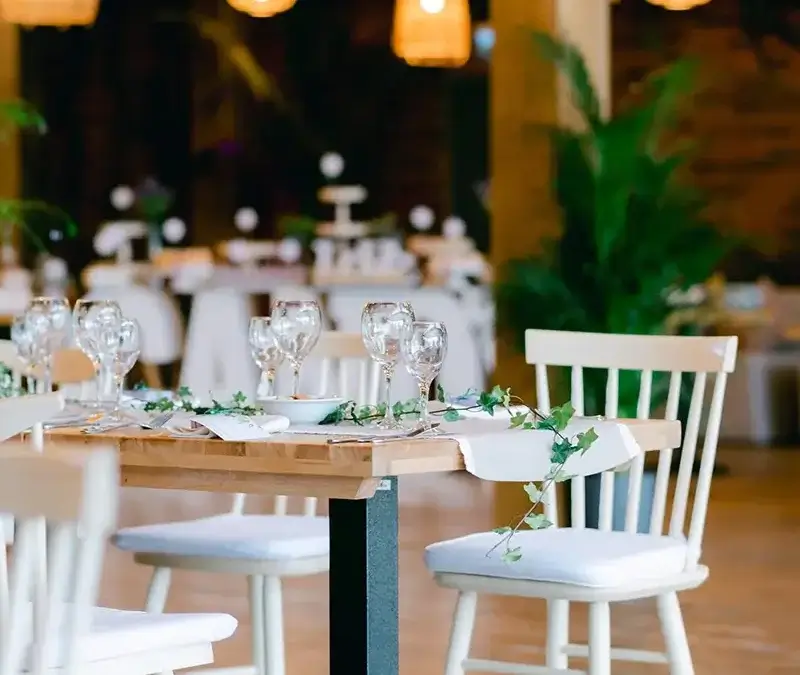
In today’s competitive hospitality landscape, hotels are no longer places to sleep, they’re dynamic spaces for meetings, celebrations, and unforgettable experiences.
As a hotel owner or general manager, transforming your property into a sought-after event venue can unlock new revenue streams and elevate your brand. Here are proven strategies to help you stand out as the go-to destination for events of all kinds.
Showcase Versatile Spaces
Event planners crave flexibility. Highlight your hotel’s ability to accommodate everything from intimate board meetings to wedding parties, big and small. Invest in modular furniture, movable walls, and technology that allows for quick room reconfiguration. Use high-quality photos and virtual tours on your website and social media to showcase different setups, banquet, theater, classroom, and cocktail styles.
Invest in Technology
Modern events demand seamless tech. Ensure your venue offers high-speed Wi-Fi, advanced AV equipment, and hybrid meeting capabilities. Promote features like wireless screen sharing, live streaming, and on-site tech support. Consider creating a dedicated “Event Technology” page on your website to reassure planners that your hotel can handle their digital needs.
Provide a Dedicated Events Coordinator
Even if your hotel has just one person managing events, having a dedicated coordinator is a major selling point. Ensure your events coordinator is well-trained, responsive, and empowered to make decisions. This individual should be able to anticipate client needs, offer creative solutions, and provide personalized service from the initial inquiry through the event’s completion. Highlight the coordinator’s expertise and commitment in your marketing materials and share testimonials or case studies from satisfied clients to build trust and credibility.
Offer Customizable Packages
One-size-fits-all doesn’t work for events. Develop a range of packages tailored to different event types, corporate meetings, weddings, social gatherings, and more. Include options for catering, décor, entertainment, and accommodations. Allow clients to mix and match services and be transparent about pricing to build confidence.
Leverage Local Partnerships
Collaborate with local vendors, florists, photographers, entertainers, and transportation companies to offer comprehensive event solutions. These partnerships can add value for your clients and help you tap into new networks. Feature preferred vendors on your website and in your proposals, and consider co-hosting open houses or showcase events.
Highlight Unique Selling Points
What makes your hotel special? Maybe it’s a rooftop terrace with city views, a historic ballroom, exceptional outdoor space, or a renowned chef. Identify your unique features and weave them into your marketing. Use storytelling on social media to share behind-the-scenes glimpses of events, spotlight signature dishes, or showcase décor transformations.
Prioritize Sustainability
Eco-friendly events are in demand. Implement green practices such as digital invitations, locally sourced menus, and waste reduction initiatives. Pursue sustainability certifications and promote your efforts in your marketing materials. Event planners increasingly seek venues that align with their values.
Gather and Share Social Proof
Nothing sells like success stories. Encourage clients to leave reviews, share photos, and tag your hotel on social media. Create a gallery of past events on your website and feature client testimonials in your marketing. User-generated content builds credibility and inspires future clients.
Stay Active on Social Media
Regularly post event highlights, behind-the-scenes content, and tips for planning successful gatherings. Utilize targeted ads to reach event planners and local businesses. Engage with followers by responding to comments and sharing relevant industry news.
Conclusion
Positioning your hotel as a premier event venue requires a blend of operational excellence, creative marketing, and exceptional service. By focusing on flexibility, technology, partnerships, and storytelling, you can attract more events, delight your clients, and boost your bottom line. Start implementing these strategies today and watch your hotel become the venue of choice in your market.

by Jana Johnson | Aug 21, 2025 | Marketing, Sales
In today’s hospitality landscape, sustainability is no longer a buzzword, it’s a business imperative. Travelers are increasingly seeking out hotels that align with their values, and eco-friendly practices are at the top of their wish lists. For hotel owners, general managers, and sales teams, embracing sustainability isn’t just about protecting the planet; it’s a strategic move that can drive more bookings, enhance your brand reputation, and improve your bottom line.
The Green Traveler: A Growing Market Segment
Recent studies show that a significant portion of travelers, especially Millennials and Gen Z, actively seek out sustainable accommodations. According to a Booking.com survey, over 70% of global travelers say they would be more likely to book a hotel if it had sustainable certifications or eco-friendly initiatives. This trend is only expected to grow as environmental awareness becomes more mainstream.
Eco-Friendly Practices That Attract Guests
Implementing sustainable practices doesn’t have to be overwhelming. Start with initiatives that are visible and meaningful to guests:
- Energy Efficiency: Upgrade to LED lighting, install smart thermostats, and use energy-efficient appliances. Not only do these measures reduce your carbon footprint, but they also lower utility costs.
- Water Conservation: Install low-flow showerheads and toilets, encourage towel and linen reuse, and use drought-resistant landscaping.
- Waste Reduction: Implement recycling programs, eliminate single-use plastics, and offer refillable amenities.
- Sustainable Sourcing: Use local, organic ingredients in your restaurant, and partner with eco-friendly suppliers for guest amenities.
Marketing Your Sustainability Efforts
Simply adopting green practices isn’t enough, you need to communicate them effectively. Here’s how:
- Certifications and Badges: Pursue recognized eco-certifications such as LEED, Green Key, or EarthCheck. Display these badges prominently on your website and booking platforms.
- Storytelling: Share your sustainability journey on your website, social media, and in guest communications. Highlight specific initiatives, such as solar panel installations or community clean-up events.
- Guest Engagement: Offer guests the option to participate in green programs, such as planting a tree for every booking or joining a local eco-tour.
The Business Case for Sustainability
Eco-friendly practices can directly impact your hotel’s profitability:
- Increased Bookings: Sustainable hotels often appear higher in search results on booking platforms that allow travelers to filter by eco-friendly properties.
- Premium Pricing: Many guests are willing to pay more for accommodations that prioritize sustainability.
- Corporate Partnerships: Companies with strong environmental policies prefer to partner with hotels that share their values, leading to more group bookings and events.
- Operational Savings: Energy and water conservation measures reduce operating costs, improving your bottom line.
Building a Lasting Brand Reputation
Sustainability isn’t just a trend, it’s a long-term investment in your hotel’s reputation. Guests who have positive experiences at eco-friendly hotels are more likely to leave favorable reviews, recommend your property to others, and become repeat customers. In a competitive market, a strong commitment to sustainability can set your hotel apart and foster lasting loyalty.
Conclusion
Adopting sustainable and eco-friendly practices is a win-win for hotels. Not only do you contribute to a healthier planet, but you also tap into a growing market of environmentally conscious travelers. By making sustainability a core part of your business strategy and communicating your efforts effectively, you can drive more bookings, enhance guest satisfaction, and secure your hotel’s success for years to come.

by Jana Johnson | Jul 22, 2025 | General Manager, Marketing, Sales
The hospitality industry is no stranger to change, but the pace of transformation in hotel sales has accelerated dramatically in recent years.
As we look ahead to 2025 and beyond, hotel sales professionals must adapt to a landscape shaped by evolving guest expectations, technological innovation, and shifting market dynamics. Here are the top trends poised to redefine hotel sales strategies in the years to come.
Personalization Powered by Data
Today’s travelers expect more than just a comfortable room—they want experiences tailored to their preferences. In 2025, successful hotel sales teams will leverage advanced data analytics to anticipate guest needs, personalize offers, and build lasting relationships. From customized packages for business travelers to curated experiences for leisure guests, personalization will be a key differentiator in a competitive market.
Seamless Digital Engagement
The digital journey is now central to the hotel sales process. Prospective guests increasingly research, compare, and book accommodations online. Hotels that invest in user-friendly websites, virtual tours, and instant messaging platforms will stand out. Additionally, integrating AI-powered chatbots and automated responses can streamline inquiries and bookings, ensuring potential guests receive timely and accurate information.
Group and Event Sales Evolution
Group travel and events are rebounding, but with new expectations. Planners seek flexible contracts, hybrid meeting options, and enhanced safety protocols. Hotels that offer adaptable spaces, robust virtual meeting technology, and transparent communication will capture a larger share of this lucrative segment. Proactive outreach and creative solutions—such as bundled packages or value-added services—will be essential for winning group business.
Sustainability as a Sales Advantage
Sustainability is no longer a niche concern; it’s a mainstream expectation. Guests and corporate clients alike are prioritizing eco-friendly practices when choosing hotels. Sales teams should highlight green initiatives—such as energy-efficient operations, waste reduction programs, and local sourcing—in their pitches. Demonstrating a genuine commitment to sustainability can strengthen brand reputation and appeal to environmentally conscious travelers.
Dynamic Pricing and Revenue Management
The days of static room rates are over. Advanced revenue management systems now enable hotels to adjust pricing in real time based on demand, competitor rates, and market trends. Sales professionals must understand these tools and collaborate closely with revenue managers to craft compelling offers that maximize occupancy and profitability. Flexibility and agility in pricing strategies will be crucial as market conditions continue to fluctuate.
Building Trust Through Transparency
In an era of information overload, trust is a valuable currency. Hotels that clearly communicate their policies, pricing, and amenities will foster stronger relationships with both guests and partners. Transparent sales practices—such as straightforward contracts and honest discussions about availability—can set a hotel apart and encourage repeat business.
Conclusion: Key Hotel Sales Trends for Today and Beyond
The future of hotel sales is dynamic, data-driven, and centered on the guest. By embracing these trends, hotel sales teams can position themselves for sustained success today and in the future. Staying agile, investing in technology, and prioritizing authentic connections will be the hallmarks of industry leaders in the years to come.